Modern life keeps the nervous system in a constant state of alert. Notifications, deadlines, emotional overload, and mental noise make true calm feel rare—even when we try to rest.
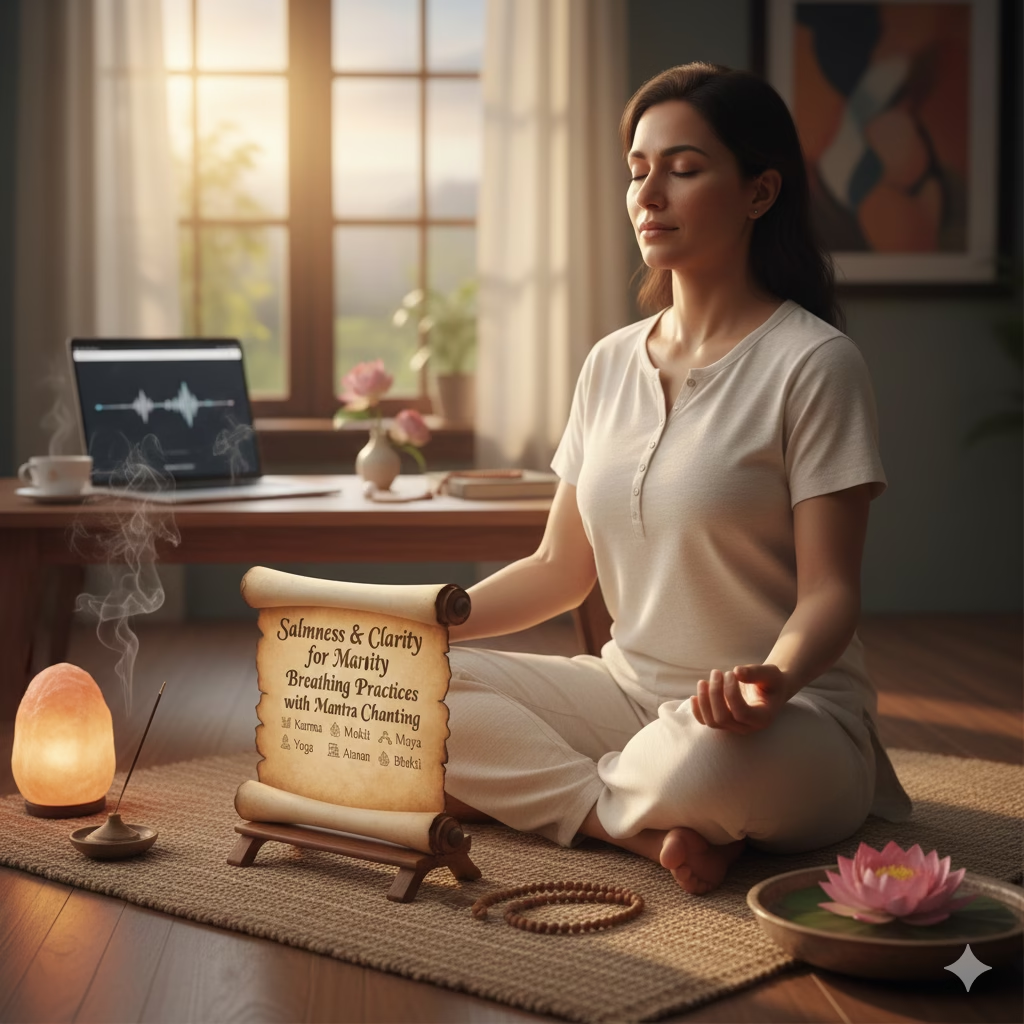
Breathing practices combined with mantra chanting offer a simple, powerful way to calm the mind and restore mental clarity. This approach doesn’t require belief, ritual, or long meditation sessions. It works directly with the breath, sound, and attention—tools that influence the nervous system almost immediately.
In this guide, you’ll learn:
- Why breath and mantra work so well together
- How they affect calmness and clarity
- Simple breathing practices you can use daily
- A 5-minute guided breathing + mantra meditation you can practice anytime
Contents
ToggleWhy Calmness and Clarity Feel So Hard Today
Common signs include:
- Racing thoughts
- Difficulty concentrating
- Emotional reactivity
- Fatigue despite rest
- A constant feeling of being “on edge”
The Connection Between Breath, Mind, and Sound
Breath is the fastest way to influence the nervous system.
Sound helps anchor attention.
When combined, they create a feedback loop:
- Breath calms the body
- Sound steadies the mind
- Attention becomes focused and relaxed
Ancient Sanskrit traditions understood this intuitively. Modern science now confirms it.
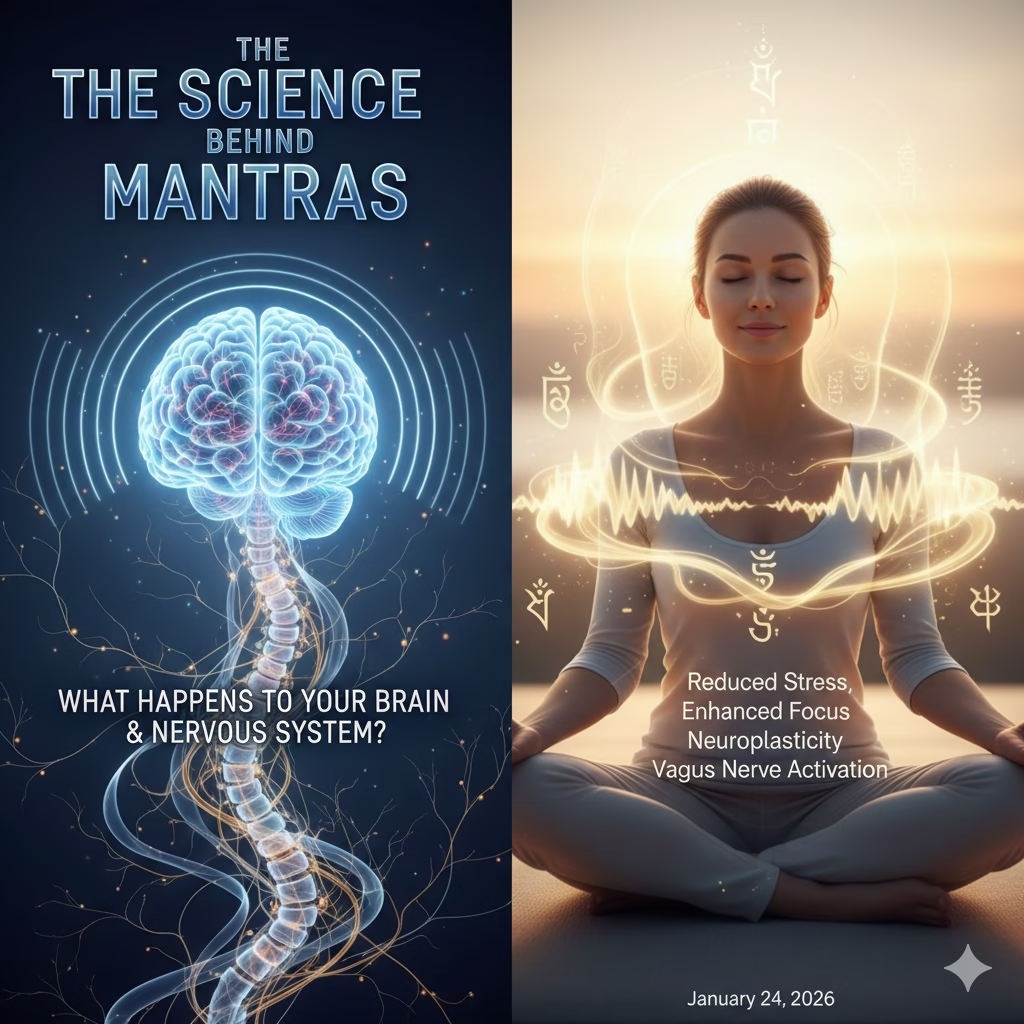
Slow breathing activates the parasympathetic nervous system (the “rest and reset” mode). Gentle repetition of sound reduces mental chatter and gives the mind something stable to rest on.
What Is Mantra Chanting (In a Modern Context)?
A mantra is a repeated sound, word, or phrase used to focus attention.
In modern wellness terms:
- It is a form of sound-based meditation
- It helps regulate breathing rhythm
- It reduces overthinking
Mantras do not need to be religious. Many people use simple sounds like:
- Om
- So Hum
- Aum Shanti
- Or even neutral phrases like “calm” or “ease”
Why Breathing with Mantra Is More Effective Than Either Alone
Breathing alone calms the body.
Mantra alone calms the mind.
Together, they:
- Reduce anxiety faster
- Improve focus and clarity
- Create a sense of grounded calm
- Make meditation easier for beginners
For people who struggle with silent meditation, mantra provides a gentle mental anchor.
Breathing Practices That Support Calmness & Clarity
- Slow Rhythmic Breathing (Foundation Practice)
How it works:
Slow, even breathing sends safety signals to the brain.
How to practice:
- Inhale slowly through the nose for 4 counts
- Exhale gently for 6 counts
- Keep the breath smooth and unforced
This ratio naturally reduces stress and prepares the mind for mantra chanting.
- Breath Awareness with Sound
As you breathe:
- Inhale silently
- Exhale while gently chanting a mantra (aloud or internally)
This synchronizes breath, sound, and attention—key for mental clarity.
- Extended Exhale for Deep Calm
Longer exhales tell the nervous system it is safe to relax.
You can:
- Inhale for 4
- Exhale for 7
- Chant the mantra during the exhale
This is especially helpful for anxiety and emotional overwhelm.
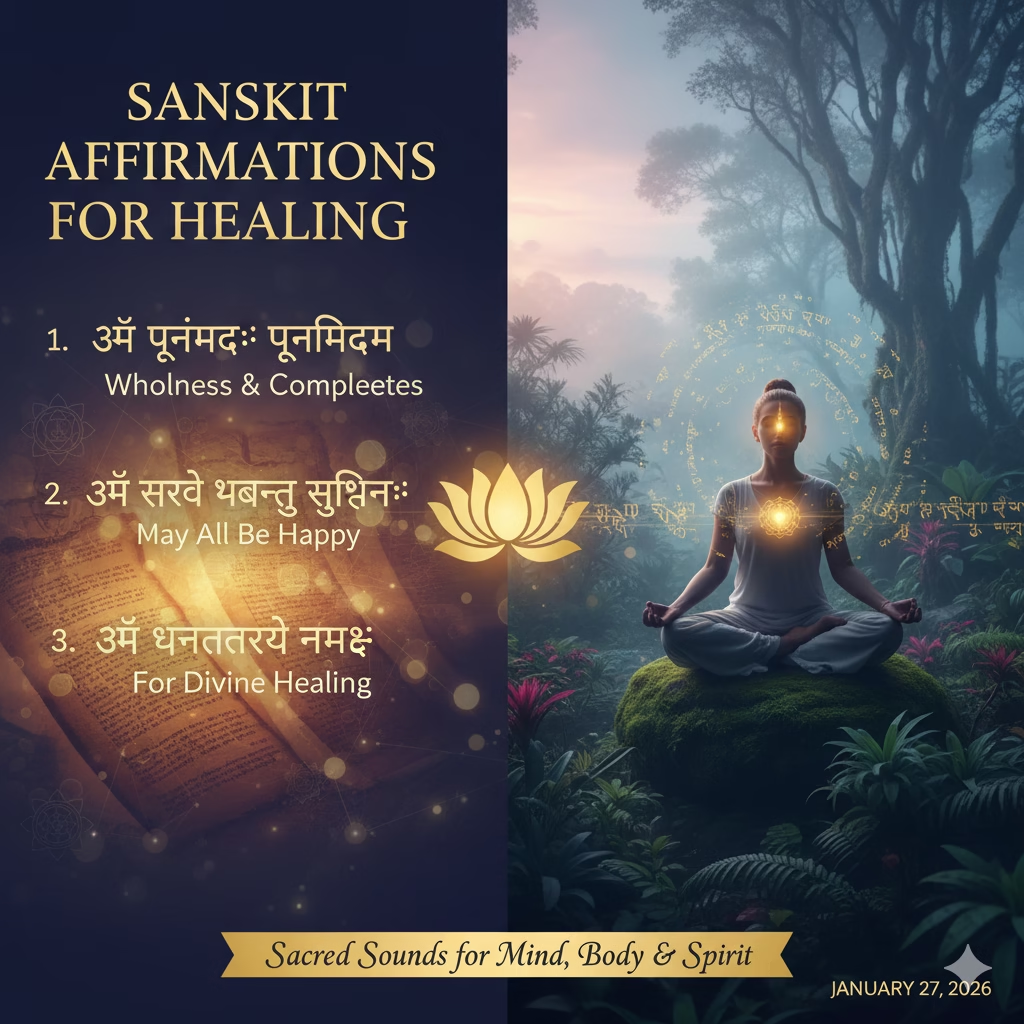
These breathing techniques align naturally with the broader practice of Sanskrit affirmations for healing and nervous system regulation.

Choosing a Mantra for Calmness and Clarity
Here are a few commonly used options, explained simply:
- Om – A grounding sound that steadies the mind
- So Hum – Means “I am that” but works mainly as a breath-sync sound
- Shanti – Associated with peace and inner stillness
If you prefer non-Sanskrit sounds, you can use:
- “Calm”
- “Ease”
- “I am here”
Consistency matters more than the specific word.
Readers dealing with persistent restlessness may also benefit from mantras specifically recommended for anxiety and overthinking.
When and How Long Should You Practice?
You don’t need long sessions.
Ideal times:
- Morning (to set mental clarity for the day)
- Midday (to reset stress)
- Evening (to unwind)
Even 5 minutes can significantly shift your state.
A 5-Minute Guided Breathing & Mantra Meditation
Preparation (30 seconds)
Sit comfortably with your spine upright but relaxed.
Rest your hands gently on your lap.
Close your eyes or soften your gaze.
Take a moment to notice your body.
There’s nothing to change yet.
Minute 1: Settling the Breath
Begin breathing slowly through your nose.
Inhale gently for a count of four.
Exhale slowly for a count of six.
Let the breath be smooth, not forced.
With each exhale, imagine releasing tension from your shoulders, jaw, and forehead.
Minute 2: Introducing the Mantra
As you continue the slow breathing:
- Inhale quietly
- On the exhale, gently chant “Om”
(You may chant aloud or silently in your mind)
Let the sound flow naturally with the breath.
If thoughts arise, don’t push them away.
Simply return to the breath and the sound.
Minute 3: Deepening Calmness
Now slightly lengthen your exhale.
Inhale for four.
Exhale for seven, chanting Om slowly.
Feel the vibration or rhythm of the sound.
Notice how the mind begins to settle.
There’s no goal—just gentle repetition.
Minute 4: Clarity Through Stillness
Keep the same rhythm.
If your mind feels clear, rest in that clarity.
If thoughts appear, let the mantra carry your attention back.
With each exhale, silently affirm:
“I am calm. I am clear.”
Let the breath and mantra do the work.
Minute 5: Integration
Release the mantra.
Continue slow breathing for a few moments.
Notice:
- Your mental state
- Your emotional tone
- The sense of space in your mind
When ready, gently open your eyes.
Carry this calmness into your next activity.
Final Thoughts: Calmness Is a Skill, Not a Personality Trait
Calmness and clarity aren’t something you either have or don’t have.
They are states you can train, gently and naturally.
Breathing practices with mantra chanting offer a simple, accessible way to reconnect with inner steadiness—without pressure, belief, or complexity.
Even a few minutes a day can change how you respond to life.
🌿 Explore Next
You may also enjoy:
- Mantras for stress and anxiety
- Morning mantra routines for focus
- Sanskrit wisdom for emotional balance
❓ FAQ 1: What is breathing with mantra chanting?
Answer:
Breathing with mantra chanting is a mindfulness practice that combines slow, controlled breathing with the repetition of a calming sound or phrase. This combination helps relax the nervous system and reduce mental overactivity.
❓ FAQ 2: How does mantra chanting help calm the mind?
Answer:
Mantra chanting helps calm the mind by giving attention a steady focus. Repeating a sound reduces mental chatter and, when paired with slow breathing, signals the nervous system to shift into a relaxed state.
❓ FAQ 3: Can breathing with mantra reduce stress and anxiety?
Answer:
Yes. Slow breathing activates the body’s relaxation response, and mantra repetition supports emotional regulation. Together, they are widely used in stress-reduction and mindfulness practices.
❓ FAQ 4: Do I need to believe in mantras for this practice to work?
Answer:
No. Breathing with mantra works through rhythm, sound, and attention—not belief. Many people use neutral sounds or simple words with the same calming effect.
❓ FAQ 5: How long should I practice breathing with mantra daily?
Answer:
Even 5 minutes per day can be effective. Consistent short sessions are more beneficial than occasional long practices.
❓ FAQ 6: Is mantra chanting safe for beginners?
Answer:
Yes. Gentle breathing and soft chanting are safe for most beginners. The practice should feel calming, not forced or intense.
❓ FAQ 7: Can I practice mantra chanting silently?
Answer:
Yes. Mantras can be chanted aloud or repeated silently in the mind. Both approaches are effective for calming and focusing the mind.
❓ FAQ 8: When is the best time to practice breathing with mantra?
Answer:
The best times are in the morning to build clarity, during the day to reset stress, or in the evening to unwind. The most important factor is consistency.
❓ FAQ 9: What mantra is best for calmness and clarity?
Answer:
Simple sounds like “Om,” “So Hum,” or calming words such as “peace” or “ease” are commonly used. The best mantra is one that feels soothing and easy to repeat.
❓ FAQ 10: Can breathing with mantra improve focus and mental clarity?
Answer:
Yes. By calming the nervous system and reducing mental distractions, this practice often improves focus, clarity, and emotional balance over time.