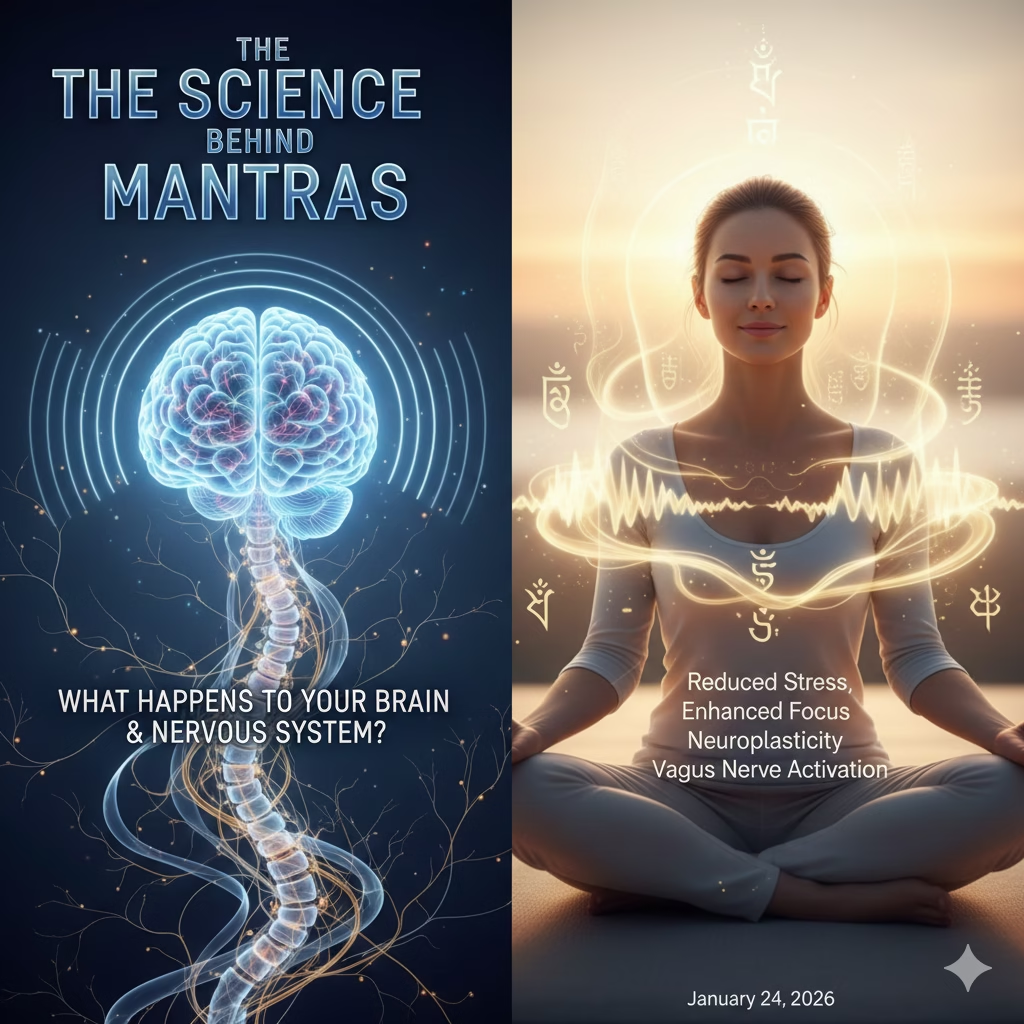
Mantras have been used for thousands of years to calm the mind and steady emotions. But beyond spiritual tradition, modern neuroscience and psychology are beginning to explain why repeating certain sounds or phrases can measurably change how the brain and nervous system function.
Today, mantra chanting is no longer viewed only as a spiritual practice. It is increasingly understood as a neuro-regulatory tool—one that influences attention, stress response, emotional regulation, and even brainwave activity.
In this article, we explore the science behind mantras, what happens in the brain and nervous system during mantra repetition, and why this ancient practice is gaining modern relevance in mental health and wellness.
Contents
ToggleWhat Is a Mantra (Scientifically Speaking)?
In modern scientific terms, a mantra is:
- A repetitive auditory or cognitive stimulus
- Used to focus attention and regulate breathing
- Often synchronized with rhythm and repetition
From a neuroscience perspective, mantra chanting works through three primary mechanisms:
- Attention regulation
- Breath–nervous system coupling
- Auditory and vibrational feedback
These mechanisms directly influence brain activity and autonomic nervous system balance.
How the Brain Responds to Mantra Repetition
1. Reduced Activity in the Default Mode Network (DMN)
The Default Mode Network is a group of brain regions active during:
- Mind-wandering
- Overthinking
- Rumination
- Self-referential thoughts
Excessive DMN activity is linked to:
- Anxiety
- Depression
- Chronic stress
Mantra repetition reduces DMN activity, similar to mindfulness meditation. By giving the mind a simple, repetitive focus, mental chatter naturally quiets.
This is why many people experience:
- Fewer intrusive thoughts
- A sense of mental space
- Increased clarity.
2. Increased Alpha and Theta Brainwaves
EEG studies on meditation and repetitive chanting show increased:
- Alpha waves (associated with relaxation and calm focus)
- Theta waves (linked to creativity, emotional processing, and deep calm)
These brainwave states are associated with:
- Reduced stress
- Enhanced emotional regulation
- Improved learning and memory
Mantras help the brain shift from high-alert beta states into these more restorative patterns.
3. Enhanced Attention Stability
Repetition strengthens the brain’s ability to sustain attention.
Instead of constantly reacting to new stimuli, the mind learns to:
- Stay with one object
- Gently return when distracted
- Develop attentional endurance
This effect is particularly useful for people who struggle with focus or mental fatigue.
What Happens in the Nervous System During Mantra Chanting?
- Activation of the Parasympathetic Nervous System
Mantra chanting often involves:
- Slow breathing
- Extended exhalation
- Gentle vocalization
These factors stimulate the parasympathetic nervous system, responsible for:
- Rest
- Digestion
- Recovery
- Emotional safety
As a result, the body shifts out of fight-or-flight mode.
Common effects include:
- Lower heart rate
- Reduced muscle tension
- Decreased cortisol levels
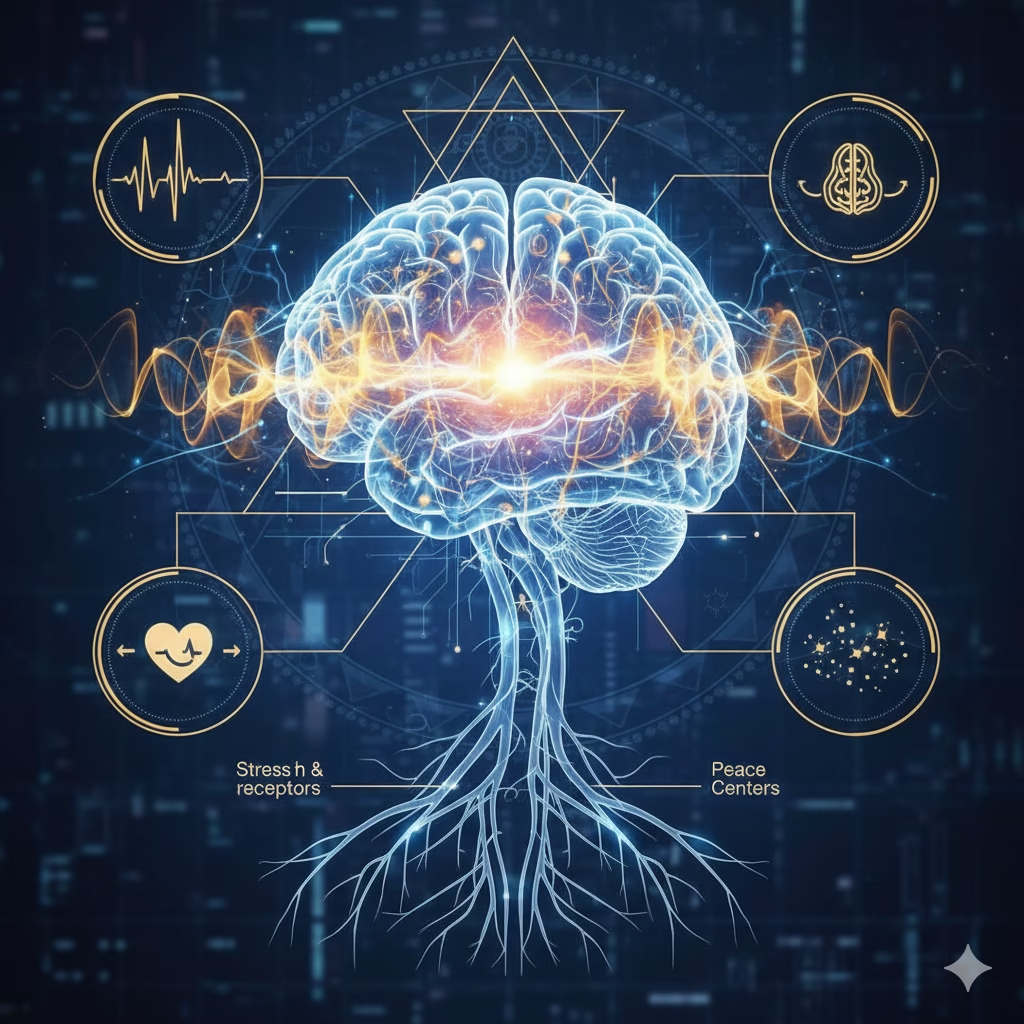
- Vagus Nerve Stimulation
The vagus nerve plays a central role in emotional regulation and stress resilience.
Chanting—especially aloud—stimulates the vagus nerve through:
- Vocal cord vibration
- Breath control
- Facial and throat muscles
Vagus nerve activation is associated with:
- Calm emotional states
- Improved mood
- Better stress recovery
This explains why even short periods of chanting can create a noticeable sense of relaxation.
- Regulation of Breath and Heart Rhythm
Mantras naturally slow the breath and create rhythmic breathing patterns.
This supports:
- Heart rate variability (HRV)
- Emotional stability
- Nervous system coherence
Higher HRV is linked to better mental health, adaptability, and resilience to stress.
Why Sound and Vibration Matter
- Sound is not just heard—it is felt.
Chanting produces:
- Internal vibration
- Resonance in the chest, throat, and head
- Sensory feedback to the brain
This multi-sensory input strengthens mind–body awareness and anchors attention more effectively than silent thought alone.
From a scientific standpoint, vibration enhances:
- Sensory integration
- Interoception (awareness of internal states)
- Emotional grounding
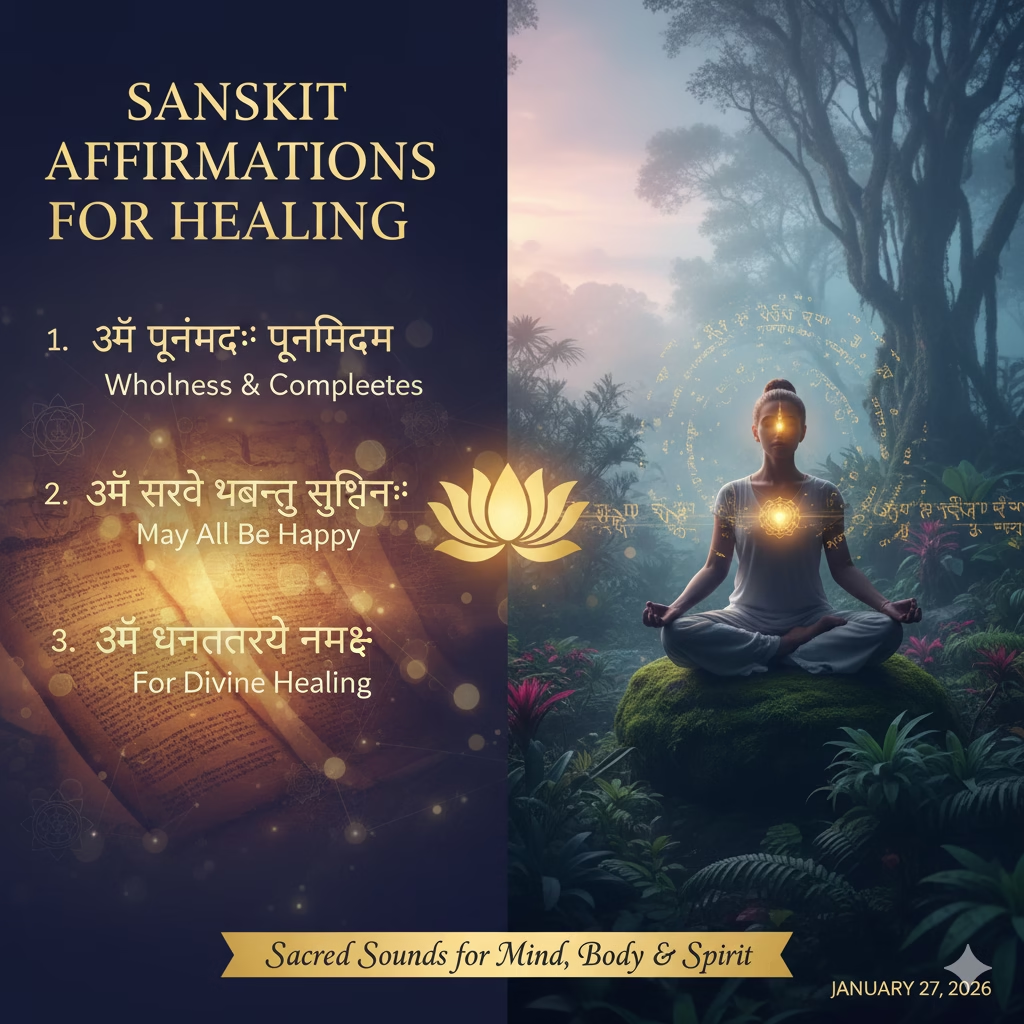
These findings help explain why Sanskrit affirmations for healing have been used for centuries to support mental and emotional well-being.
Silent vs. Vocal Mantra: Is There a Difference?
Both silent and vocal mantra repetition are effective, but they work slightly differently.
Vocal Chanting
- Stronger vagus nerve stimulation
- More sensory feedback
- Faster calming response for many people
Silent Repetition
- Easier in public or work settings
- Strong mental focus
- Subtle nervous system effects
The best approach depends on personal comfort and context.
Are Sanskrit Mantras Special?
Sanskrit mantras are phonetically structured with:
- Precise syllables
- Rhythmic patterns
- Consistent vowel sounds
While belief is not required, these phonetic qualities may enhance:
- Breath regulation
- Vocal resonance
- Consistent repetition
However, scientific benefits are not limited to Sanskrit. Any repeated sound or phrase used consistently can produce similar neurological effects
Can Mantras Help with Stress, Anxiety, and Mental Health?
Research on meditation, chanting, and repetitive focus practices suggests benefits for:
- Stress reduction
- Anxiety regulation
- Emotional balance
- Improved sleep quality
The neurological effects discussed here are especially relevant for mantras traditionally used to calm anxiety and repetitive thinking.
Mantras work best as:
- A complementary wellness practice
- A daily nervous system regulation tool
They are not a substitute for medical or psychological treatment, but they can support overall mental well-being.
Why Mantras Feel So Effective for Beginners
Unlike open-awareness meditation, mantra chanting:
- Gives the mind a clear focus
- Reduces frustration
- Feels structured and accessible
For people who find silent meditation difficult, mantra practice often feels easier and more grounding.
Final Thoughts: Ancient Practice, Modern Science
Mantras are not mystical shortcuts or magical formulas. They are tools that work with the brain and nervous system in simple, predictable ways.
By combining sound, breath, and attention, mantra chanting creates conditions where calmness and clarity naturally emerge.
As science continues to explore meditation and nervous system regulation, mantras stand at the intersection of ancient wisdom and modern understanding.
🌿 Explore Next
You may also enjoy:
- Breathing practices with mantra chanting
- Mantras for stress and anxiety
- Sanskrit wisdom for modern life
❓ FAQ 1: What happens to the brain when you chant a mantra?
Answer:
When you chant a mantra, brain activity linked to overthinking decreases, while relaxation-related brainwaves increase. This shift supports calm focus and emotional balance.
❓ FAQ 2: Is mantra chanting scientifically proven to reduce stress?
Answer:
Studies on meditation and repetitive sound practices show that mantra chanting can reduce stress by calming the nervous system and lowering physiological stress responses.
❓ FAQ 3: How do mantras affect the nervous system?
Answer:
Mantras help activate the parasympathetic nervous system, which slows breathing, reduces heart rate, and promotes relaxation and recovery.
❓ FAQ 4: Does mantra chanting stimulate the vagus nerve?
Answer:
Yes. Vocal chanting stimulates the vagus nerve through controlled breathing and sound vibration, which supports emotional regulation and calmness.
❓ FAQ 5: Are Sanskrit mantras more effective than other mantras?
Answer:
Sanskrit mantras are phonetically structured for rhythm and sound consistency, but scientifically, any repeated sound or phrase can produce similar calming effects when practiced regularly.
❓ FAQ 6: Can mantra chanting improve focus and concentration?
Answer:
Yes. Mantra repetition trains sustained attention and reduces mental distractions, which can improve focus and mental clarity over time.
❓ FAQ 7: Is silent mantra repetition as effective as chanting aloud?
Answer:
Both are effective. Chanting aloud provides stronger sensory feedback, while silent repetition offers subtle focus benefits and is useful in quiet settings.
❓ FAQ 8: How long should you chant a mantra to see benefits?
Answer:
Even 5 to 10 minutes of daily mantra chanting can create noticeable calming effects. Consistency is more important than session length.
❓ FAQ 9: Can mantras help with anxiety and overthinking?
Answer:
Mantras can help reduce anxiety and overthinking by stabilizing attention and calming the stress response, but they should complement—not replace—professional care.
❓ FAQ 10: Do you need to believe in mantras for them to work?
Answer:
No. Mantra chanting works through repetition, sound, and breath regulation rather than belief, making it accessible to people from any background.